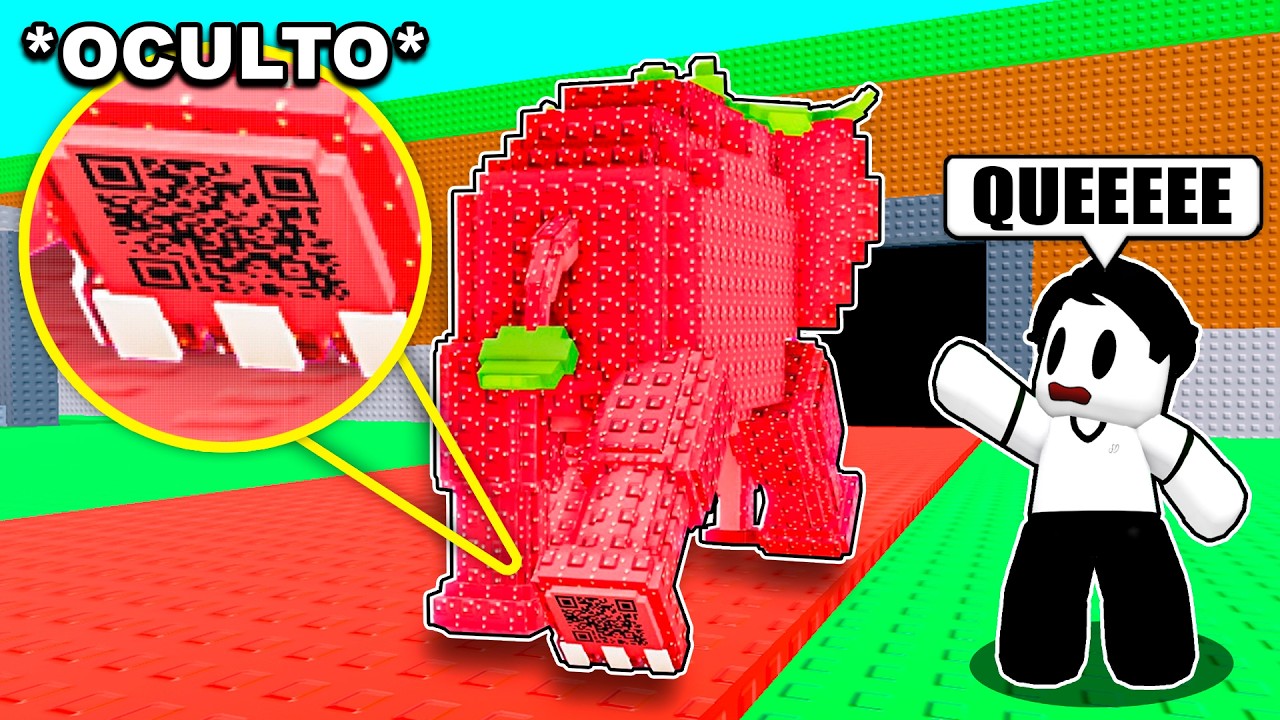
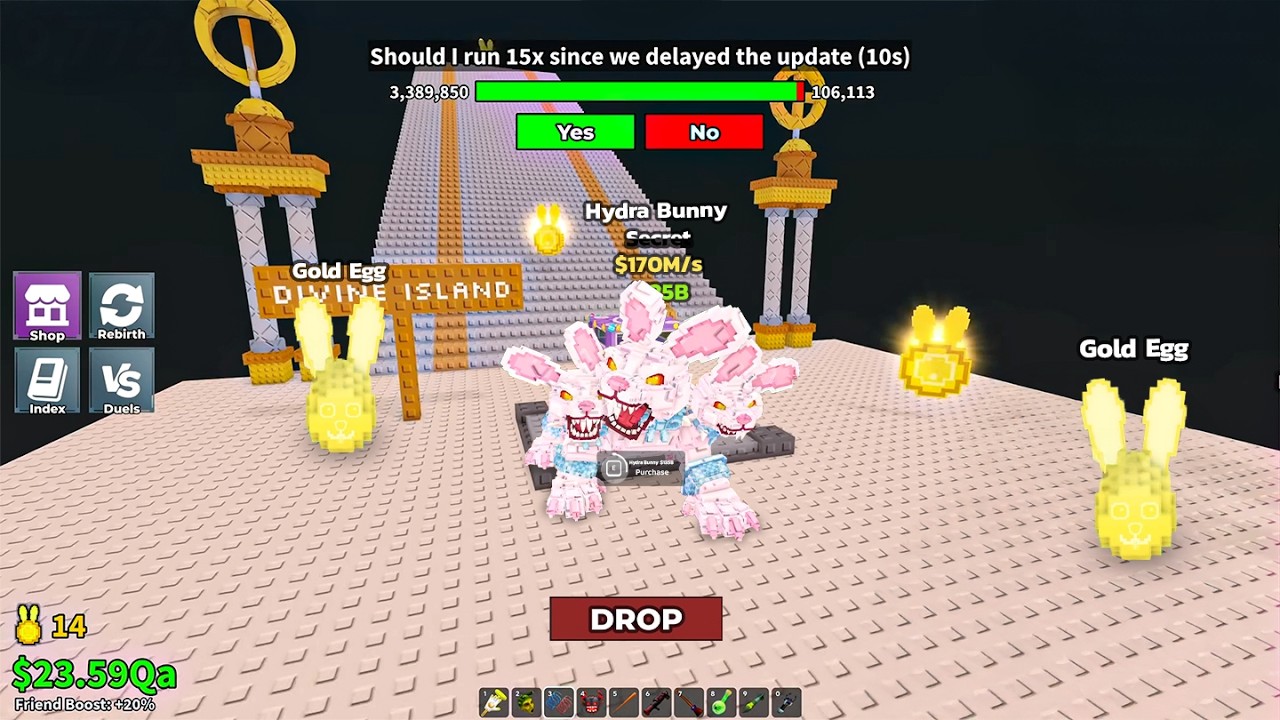
In the competitive world of Roblox content creation, the line separating inspiration from outright copying is often razor-thin. One of the names that's been at the center of this conversation lately is SpyderSammy, the lead developer behind the hit title Steal a Brainrot.
As the game has racked up millions of visits, so has the criticism from players and other developers who claim that many of its mechanics and designs are lifted from other popular projects. In this article, we'll take an objective look at the reasons behind these accusations, Roblox's clone culture, and whether we're really looking at a copy or simply a logical evolution of the platform's current trends.
The Origin of the Accusations and the Tycoon Genre
To understand why Sammy gets called out, we first need to look at the genre his game belongs to. Steal a Brainrot is a blend of management tycoon and collection simulator. This type of game follows a very defined structure in Roblox that repeats constantly: generate resources, buy upgrades, unlock new zones, repeat the cycle. Many critics point out that the conveyor-belt mechanic and the character-purchasing system are nearly identical to veteran titles like Pet Simulator 99, or even earlier meme-collecting games that trended in previous years.
However, in software and game development, basic mechanics generally aren't considered intellectual property. Just as nearly every first-person shooter shares a crosshair and a fire button, Roblox games share economy and progression systems that have already become standard. What Sammy has done is take a structure that already works and adapt it to a specific aesthetic that connects with a younger audience — a common business strategy in the tech industry.
The Use of Models and Brainrot Aesthetics
Another major point of friction is the use of models and characters. The term "Brainrot" refers to an internet aesthetic built around viral memes, popular animated characters, and strange sounds. Sammy uses characters that are instantly recognizable to kids, like the Sahur or Skibidi characters, which draws accusations of a lack of creativity. Critics argue that the game's success isn't down to original design, but to using other people's intellectual property to easily pull in traffic.
From a technical and legal standpoint within Roblox, many of these models fall under what's known as free-to-use assets or community-made items (UGC). If a developer uploads a model to the catalog and allows its use, any other creator can legally implement it in their own game. The ethical issue arises when an entire game seems to be built on other people's visual work. That said, Sammy has managed to put his own spin on it by adding fusion mechanics, rarity tiers, and income stats that make players feel rewarded for collecting them — something not every clone manages to pull off successfully.
Roblox's Clone Culture as a Business Model
It's essential to understand that Roblox, as a platform, incentivizes chasing trends. The homepage's search algorithm rewards games that use keywords being searched en masse at any given moment. If a "steal stuff from other players" game goes viral, it's natural for a hundred similar versions to pop up within days. In the industry, this is called fast following.
Sammy isn't the only developer who uses this approach. In fact, big Roblox studios routinely watch which small games are gaining traction so they can release more polished, better-funded versions of those same ideas. What bothers part of the community is that Steal a Brainrot has managed to surpass in popularity the games it was supposedly inspired by. For advertisers and AdSense purposes, this is a case study in attention marketing: it's not always the one with the first idea who wins, but the one who knows how to present it better to a mass audience and keep them hooked with constant updates.
Sammy's Defense and the Game's Evolution
For their part, SpyderSammy and his defenders argue that Steal a Brainrot has unique elements not found in other simulators. For example, the mechanic that lets you physically enter other players' bases to steal their characters adds a risk-and-competition twist that most games in this style don't have, since they tend to be purely individual or peaceful experiences.
On top of that, Sammy's update pace is relentless. As we've seen with the Valentine's events or the upcoming March events, the dev team is constantly pumping out new content. In modern game development, execution and post-launch support often matter more than the original idea. A game can be 100% original, but if it doesn't get updated every week, it'll die quickly on Roblox. Sammy has clearly understood that the platform's secret is user retention through constant novelty, which takes a lot of technical and level-design work.
The Impact on How Content Creators Are Perceived
This controversy also affects the YouTubers and streamers who cover the game. Many creators find themselves torn between playing what's popular to rack up views or criticizing the lack of originality to protect their credibility. For most of Roblox's audience, though, these debates about copying are irrelevant. The average player is after immediate fun, visual payoff, and a reward system that works. As long as Sammy keeps delivering an experience that keeps players hooked for hours, the copying accusations will stay in the background next to the traffic numbers.
It's worth noting that debates like this are healthy for the platform, since they push developers to work harder at adding personal touches to their projects. If everyone just copied without contributing anything new, Roblox would fill up with identical games and overall quality would drop. Despite the criticism, Sammy has managed to build a personal brand around his development style, which has earned him a loyal community that sticks by him through the controversies.
Conclusion on Originality in the Twenty-First Century
In conclusion, saying Sammy copies other games is a claim with real grounding if you look purely at the mechanics and models used, but it's an incomplete picture if you ignore the execution effort and the specific innovations he's introduced. In the digital world of 2026, absolute originality is almost impossible; everything is a mix of previous ideas refined for a new audience.
For readers interested in game development or website monetization through AdSense, Sammy's case teaches us that success doesn't always come from inventing the wheel, but from knowing how to spin it faster and with brighter colors than everyone else. Steal a Brainrot will keep sparking debate, but as long as its servers stay full and its updates keep coming, SpyderSammy will remain one of the platform's most influential and successful developers. The real question isn't whether he copied or not, but which trend he'll adopt and transform into his next big hit.